The best discounts this week
Every week you can find the best discounts here.
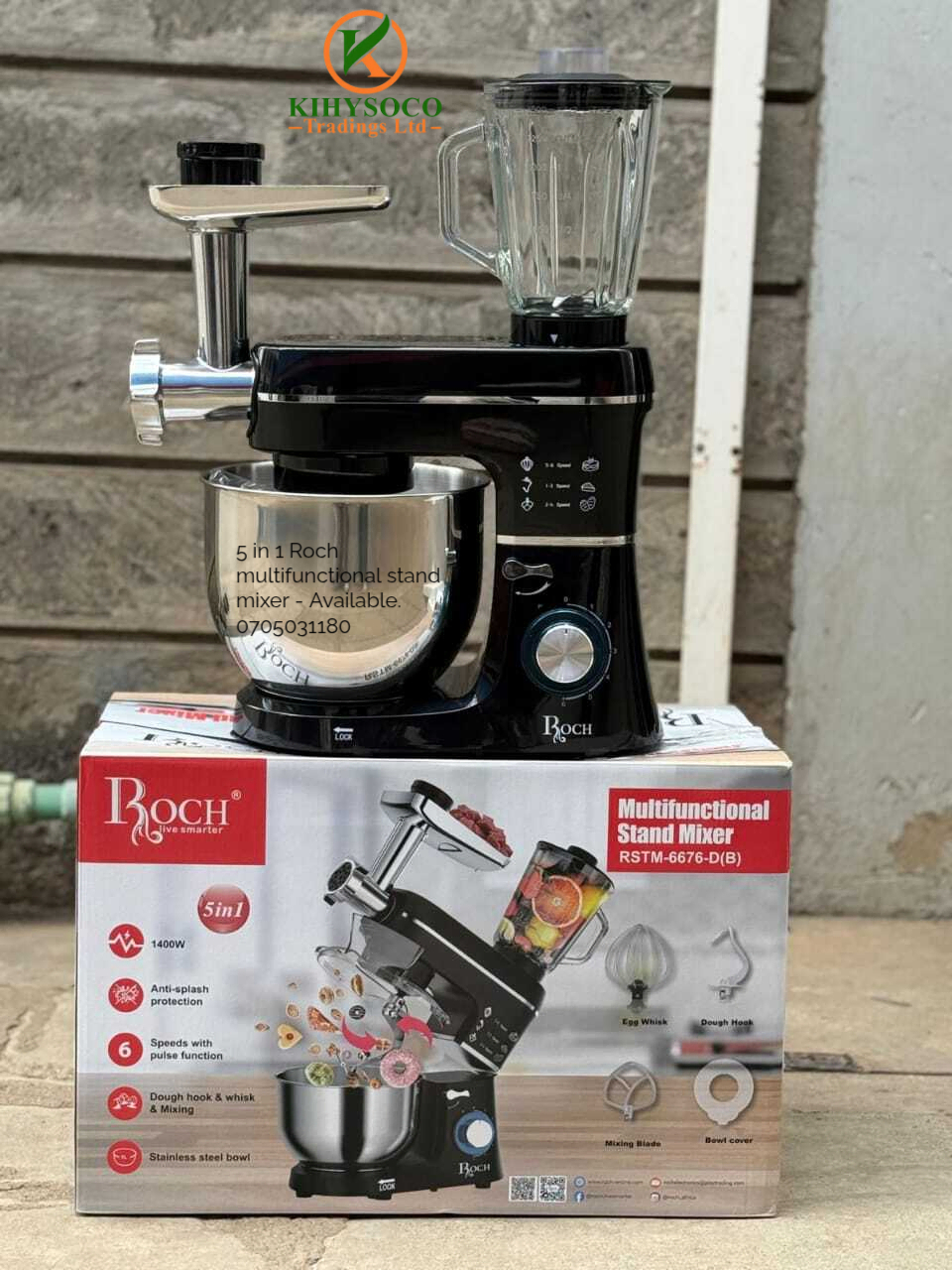
Buy 5 in 1 Roch Multifunctional Stand Mixer in Kenya at Affordable Prices from Kihysoco Trading Ltd
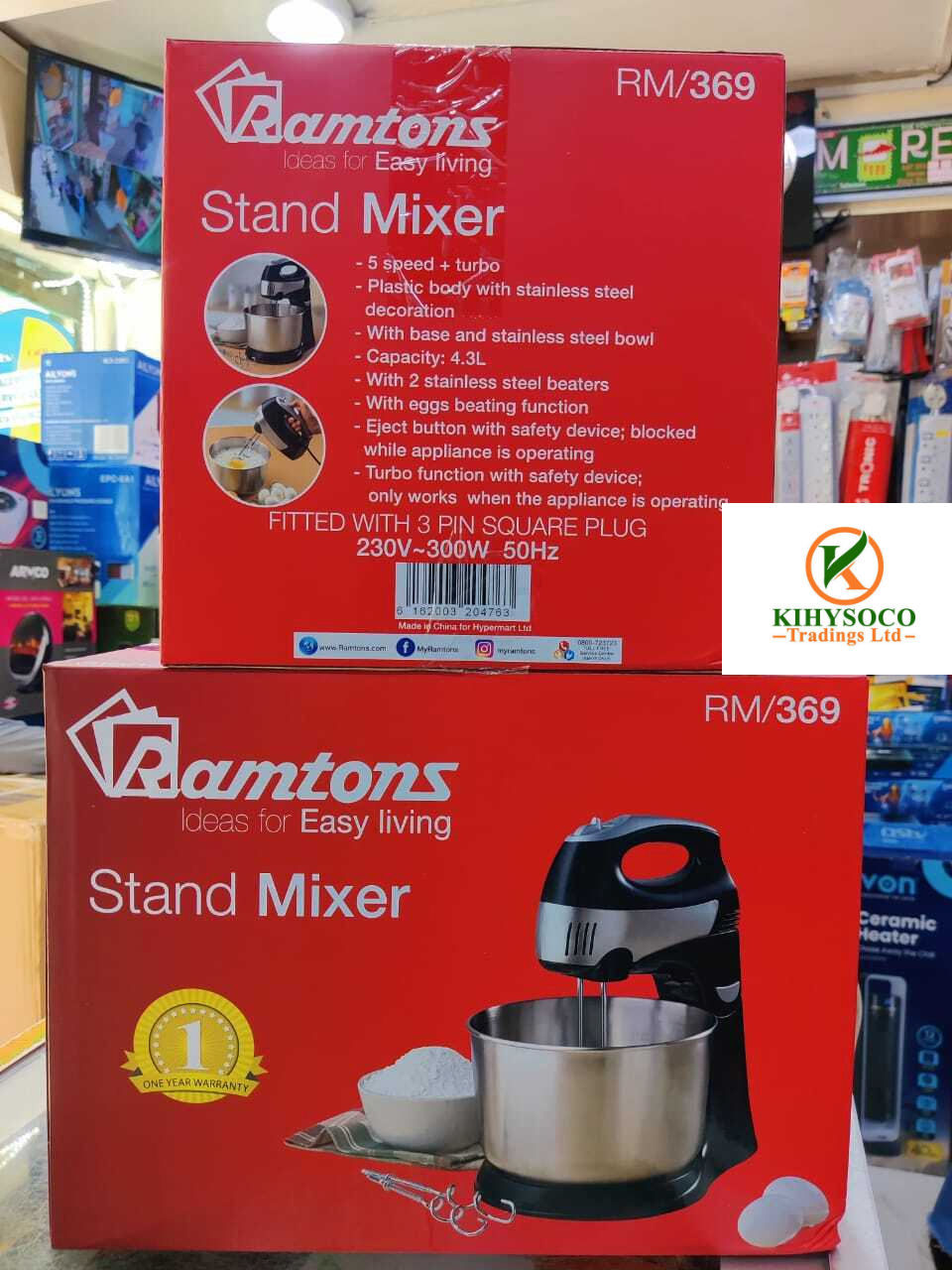
Ramtons Stand Mixers (4.3litres) – Buy Affordable Ramtons Stand Mixers at Kihysoco Trading Ltd

Rebune Stand Mixers(7L) in Kenya – Buy Affordable Rebune Stand Mixers from Kihysoco Trading Ltd
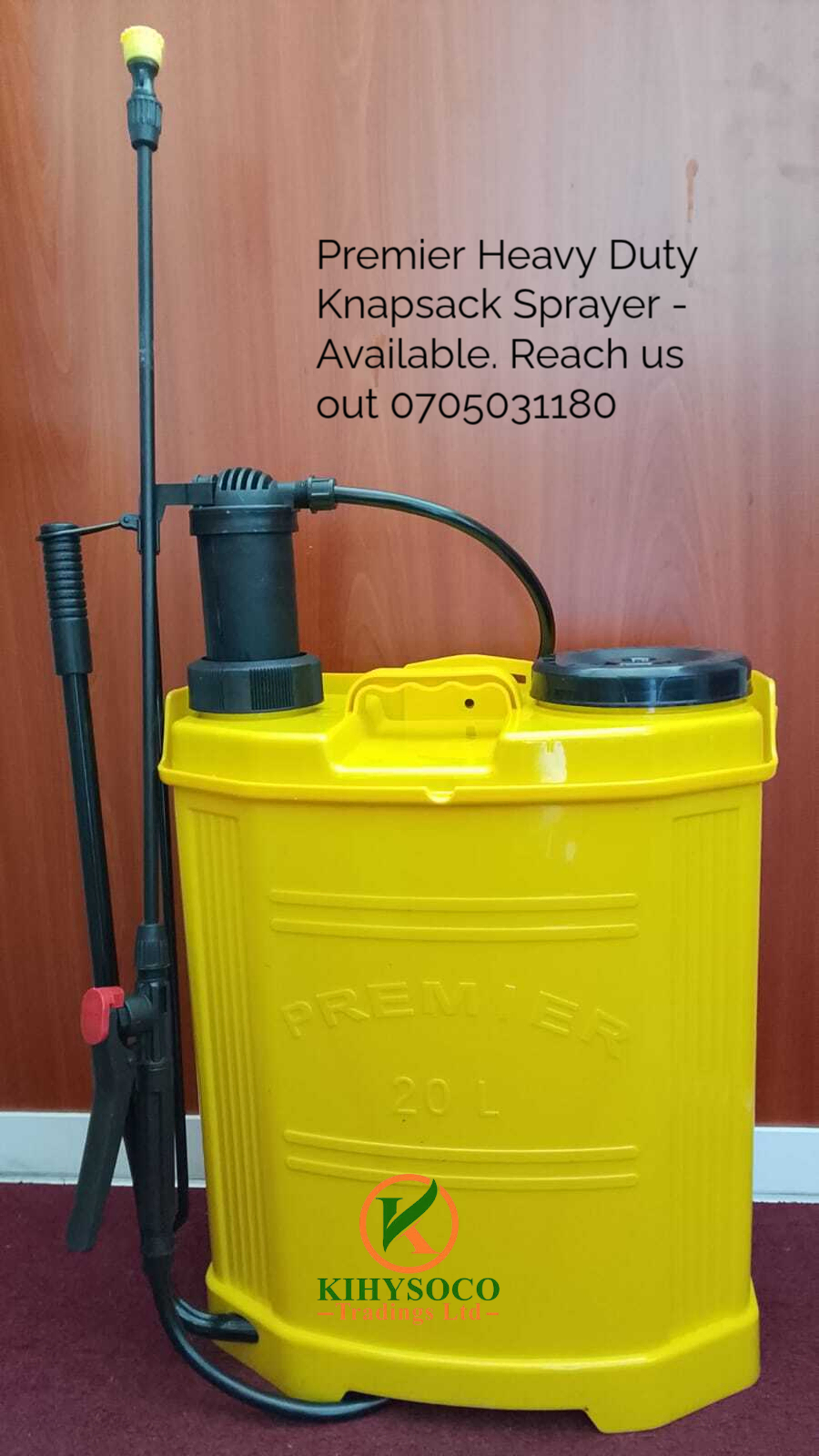
Premier Heavy Duty Knapsack Sprayers in Kenya – Buy from Kihysoco Trading Ltd

Best Dough Sheeter in Kenya – Quality Commercial Dough Sheeters at Kihysoco Trading Ltd

Muriate of Potash (MOP) Fertilizer
- Delivered today (order Mon-Fri before 12:00, delivery between 17:00 and 22:00)
- Including shipping costs, sent by blonwe.com
- Pick up at a blonwe.com collection point is possible
- 30 days to change your mind and free returns
- Day and night customer service
Description
Muriate of Potash (MOP) Fertilizer in Kenya: A Complete Guide for Improved Crop Quality and Yield
Introduction: Why Potassium is Essential in Agriculture
Potassium is one of the three primary macronutrients required for plant growth, alongside nitrogen and phosphorus. It plays a critical role in regulating plant processes such as water movement, enzyme activation, disease resistance, and fruit development.
In Kenya, potassium deficiency is common in intensively farmed soils, making Muriate of Potash (MOP) fertilizer one of the most important inputs for improving crop productivity and quality.
What is Muriate of Potash (MOP)?
Muriate of Potash (MOP) is a potassium-rich fertilizer containing approximately 60–62% potassium oxide (K₂O). It is one of the most widely used potassium fertilizers in global agriculture due to its high nutrient concentration and cost-effectiveness.
MOP is primarily composed of potassium chloride (KCl), making it a highly soluble and fast-acting source of potassium for crops.
Key Benefits of MOP Fertilizer
1. Improves Fruit and Crop Quality
MOP enhances size, color, taste, and overall quality of fruits and vegetables.
2. Boosts Crop Yield
Adequate potassium improves flowering and fruit formation, resulting in higher yields.
3. Strengthens Plant Resistance
Potassium helps crops resist diseases, pests, and environmental stress such as drought.
4. Enhances Water Regulation
It supports efficient water uptake and retention, improving plant survival in dry conditions.
5. Promotes Strong Root Development
Healthy potassium levels contribute to stronger and deeper root systems.
Common Crops That Benefit from MOP in Kenya
MOP fertilizer is widely used in:
- Maize farming
- Potatoes
- Bananas
- Coffee
- Tea plantations
- Tomatoes
- Onions
- Sugarcane
- Citrus fruits
- Avocado farming
- Beans and legumes
How to Apply MOP Fertilizer
Proper application ensures maximum efficiency and crop response.
Application Methods:
- Basal application during planting
- Side dressing during crop growth
- Soil incorporation before planting
Best Practices:
- Apply based on soil test recommendations
- Avoid over-application to prevent salt buildup
- Combine with nitrogen and phosphorus fertilizers for balanced nutrition
Why Kenyan Farmers Prefer MOP Fertilizer
Farmers choose MOP because it:
- Improves crop quality and market value
- Enhances drought tolerance
- Supports better flowering and fruiting
- Works well across many crop types
- Is cost-effective compared to other potassium sources
- Delivers reliable and consistent results
MOP Fertilizer and Soil Fertility in Kenya
Many Kenyan soils suffer from potassium depletion due to continuous cropping and nutrient leaching. MOP helps restore potassium levels, improving long-term soil productivity and crop sustainability.
Storage and Handling Guidelines
To maintain fertilizer quality:
- Store in a dry, cool environment
- Keep away from moisture and direct sunlight
- Seal bags properly after opening
- Avoid mixing with incompatible chemicals
Environmental Considerations
When used correctly, MOP supports sustainable farming by improving nutrient efficiency and reducing the need for excessive fertilizer application. Proper soil testing is recommended for optimal results.
Conclusion
Muriate of Potash (MOP) fertilizer is a key agricultural input for improving crop quality, yield, and resilience in Kenya. Its high potassium content makes it essential for farmers aiming to achieve better harvests and stronger, healthier crops.
With proper use and balanced fertilization practices, MOP plays a vital role in modern, productive, and sustainable farming systems.
Related products

YaraTera Calcinit – 25Kg
Original price was: KSh 4,000.00.KSh 3,500.00Current price is: KSh 3,500.00.
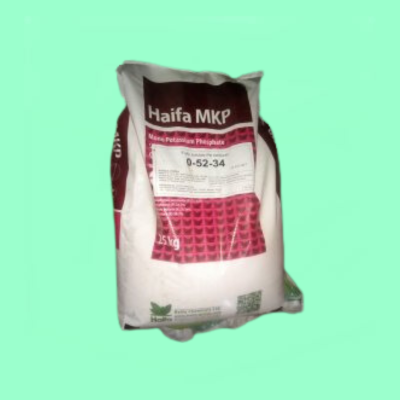
MKP Fertilizer – 25 Kgs
Original price was: KSh 15,000.00.KSh 12,000.00Current price is: KSh 12,000.00.
YaraVera AMIDAS
Original price was: KSh 6,500.00.KSh 6,100.00Current price is: KSh 6,100.00.

Reviews
There are no reviews yet.