The best discounts this week
Every week you can find the best discounts here.

Picnic Baskets – Buy Affordable Picnic Baskets from Kihysoco Trading Ltd

Rechargeable Automatic Water Pump in Kenya – Affordable Water Dispenser Pump from Kihysoco Trading Ltd


Pet Airline Carriers and Travel Boxes in Kenya – Buy Quality Pet Carriers from Kihysoco Trading Ltd

200ml Termidor – Buy Termite Control Solution from Kihysoco Trading Ltd
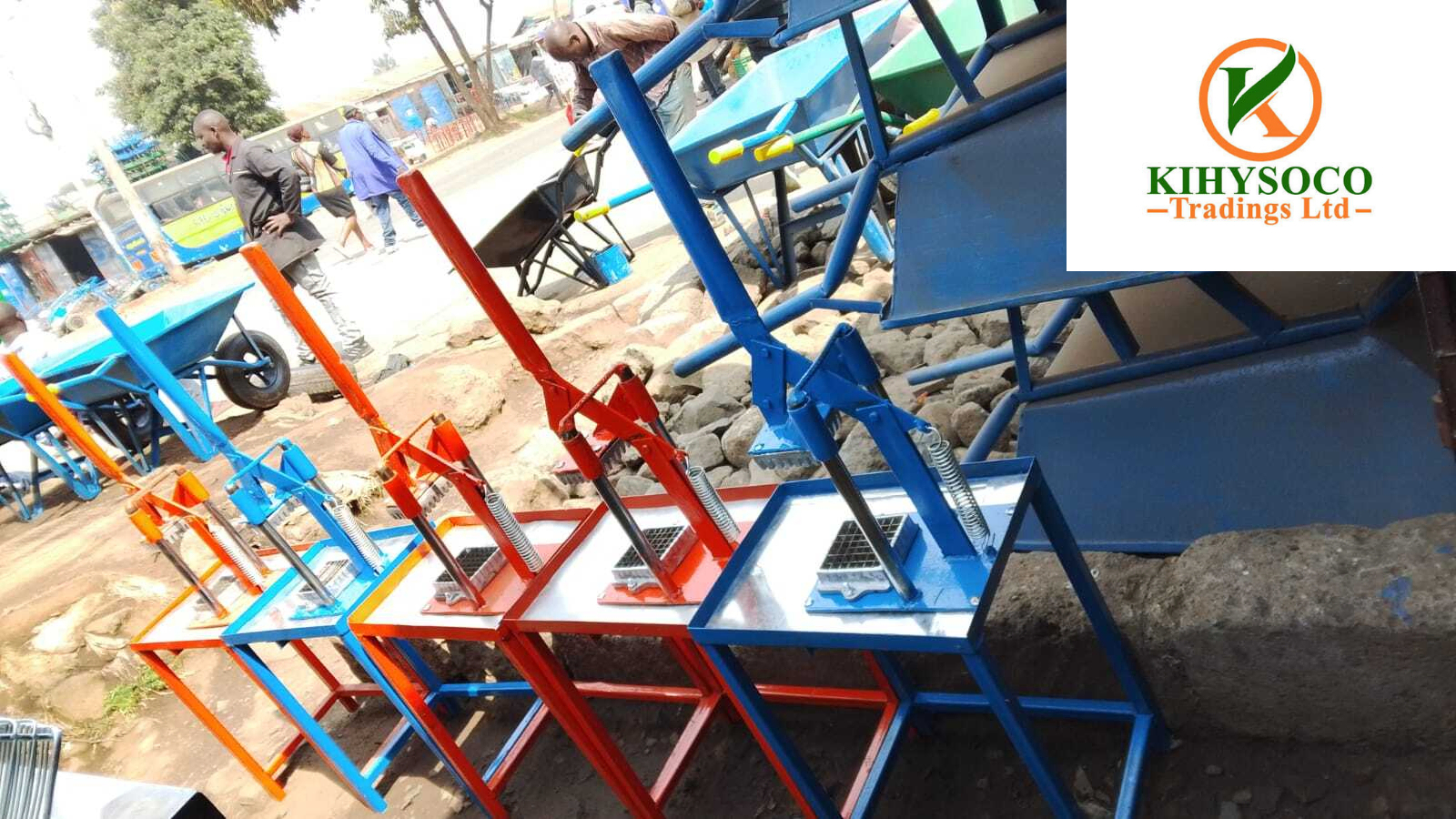
Chips Cutter Machine in Kenya – Buy Quality Potato Chips Cutters from Kihysoco Trading Ltd
Cleaning Equipment & Machinery Buyer’s Guide: What Every Business in Nairobi Needs (2026)
Walk into any thriving Nairobi business today — a shopping mall in Westlands, a hospital in Upper Hill, a manufacturing plant in Industrial Area, or a hotel along Kenyatta Avenue — and you’ll notice one thing they all have in common: spotless, well-maintained facilities. Behind every clean floor, polished surface, and hygienic washroom is the right combination of cleaning equipment, machinery, and consumables working efficiently in the background.
As Nairobi’s commercial, industrial, and hospitality sectors continue to expand in 2026, the demand for professional-grade cleaning equipment has never been higher. Yet many businesses still struggle with a critical question: which cleaning machines actually fit their needs, budget, and facility size?
This comprehensive buyer’s guide from Kihysoco breaks down everything Nairobi businesses need to know before investing in cleaning equipment and machinery — from choosing the right scrubber dryer to understanding maintenance costs and supplier reliability.
Why the Right Cleaning Equipment Matters for Nairobi Businesses
Cleanliness is no longer just about appearances. For businesses across Kenya, it directly affects:
- Health and safety compliance, especially in hospitals, schools, food processing plants, and hospitality establishments
- Operational efficiency, since the right machinery cleans faster and more thoroughly than manual labor alone
- Cost control, as efficient equipment reduces water, chemical, and labor consumption over time
- Brand reputation, since a clean facility signals professionalism to clients, customers, and regulators
- Employee productivity and wellbeing, since a hygienic workspace reduces illness and absenteeism
Investing in the wrong equipment — either underpowered machines that can’t handle your facility’s size, or oversized machinery that wastes resources — can be a costly mistake. This guide will help you avoid that.
Understanding Your Facility’s Cleaning Needs
Before purchasing any cleaning equipment, Nairobi business owners and facilities managers should assess a few key factors:
1. Facility Size and Layout
A small retail shop has vastly different cleaning needs from a 10,000-square-meter warehouse or a multi-storey office block. Larger spaces typically require ride-on or walk-behind scrubber dryers, while smaller spaces may only need compact vacuum cleaners or manual equipment.
2. Type of Flooring
Different flooring materials — tiles, polished concrete, vinyl, carpet, or epoxy coatings — require different cleaning approaches and machine attachments. Using the wrong equipment or pads on delicate flooring can cause premature wear or damage.
3. Foot Traffic and Soil Levels
High-traffic areas such as malls, hospitals, and factories accumulate dirt faster and need more frequent, heavy-duty cleaning cycles compared to low-traffic office spaces.
4. Industry-Specific Requirements
Hospitals and food processing facilities often require specialized equipment that meets hygiene regulations, such as machines compatible with disinfectants or steam cleaning technology.
5. Budget and Long-Term Costs
Beyond the upfront purchase price, consider ongoing costs such as replacement parts, consumables (pads, brushes, filters), electricity or fuel consumption, and servicing.
Essential Cleaning Equipment Categories for Nairobi Businesses
1. Floor Scrubber Dryers
Scrubber dryers are a cornerstone of commercial cleaning, combining scrubbing, washing, and drying in a single pass. They’re ideal for malls, warehouses, hospitals, and factories with large hard-floor areas.
Types available:
- Walk-behind scrubber dryers — suited for medium-sized spaces like retail stores and office lobbies
- Ride-on scrubber dryers — designed for large facilities such as warehouses, airports, and industrial plants
- Compact/mini scrubber dryers — great for tight spaces, corridors, and smaller commercial units
2. Industrial and Commercial Vacuum Cleaners
Vacuum cleaners remain essential for carpets, upholstery, and dry debris removal. Businesses should consider:
- Dry vacuum cleaners for general dust and debris
- Wet and dry vacuum cleaners for spill cleanup and more versatile use
- Backpack vacuum cleaners for efficient cleaning in large, cluttered, or multi-level spaces
- HEPA-filtered vacuums for environments requiring superior air quality, such as hospitals and clinics
3. High-Pressure Washers
Pressure washers are indispensable for outdoor and heavy-duty cleaning tasks, including building exteriors, parking lots, loading docks, and vehicle fleets.
Considerations when choosing a pressure washer:
- Cold water vs. hot water models (hot water washers handle grease and oil more effectively)
- Electric vs. petrol/diesel-powered units, depending on power access on-site
- Pressure output (measured in bar or PSI) matched to the surface being cleaned
4. Floor Polishers and Buffers
For businesses with polished concrete, marble, or vinyl floors — such as hotels, banks, and showrooms — floor polishers help maintain a professional shine while extending the lifespan of flooring materials.
5. Steam Cleaning Machines
Steam cleaners offer a chemical-free deep-cleaning option, increasingly popular in hospitality, healthcare, and food service settings where hygiene standards are strict and chemical residue is a concern.
6. Window and Glass Cleaning Equipment
For office towers and retail storefronts across Nairobi’s CBD, specialized window cleaning tools — including water-fed pole systems — help maintain professional exterior appearances safely and efficiently.
7. Janitorial Trolleys and Housekeeping Carts
Often overlooked, well-designed janitorial carts improve cleaning staff efficiency by organizing tools, chemicals, and waste bins in one mobile unit — particularly valuable in hotels and large office complexes.
8. Waste Management Equipment
Commercial-grade waste bins, balers, and compactors help businesses manage waste efficiently, an increasingly important consideration as Nairobi county regulations around waste segregation and disposal continue to tighten.
Manual vs. Automated Cleaning Equipment: What’s Right for Your Business?
| Factor | Manual Equipment | Automated/Machine-Based Equipment |
|---|---|---|
| Upfront cost | Lower | Higher |
| Labor requirement | Higher | Lower |
| Cleaning speed | Slower | Faster |
| Consistency of results | Variable | Highly consistent |
| Best suited for | Small spaces, spot cleaning | Large facilities, daily heavy-duty cleaning |
| Long-term cost efficiency | Can be higher due to labor hours | Often more cost-effective at scale |
For small businesses with limited floor space, manual tools like mops, brooms, and basic vacuum cleaners may suffice. However, as a business scales — whether it’s a growing hotel chain, an expanding retail footprint, or a busier factory floor — investing in automated machinery quickly pays for itself through labor savings and improved cleaning consistency.
Key Factors to Consider When Buying Cleaning Machinery in Kenya
1. Durability and Build Quality
Nairobi’s commercial environments — from dusty industrial zones to high-traffic malls — demand equipment built to withstand heavy daily use. Cheaper, poorly built machines often fail faster, leading to higher replacement costs over time.
2. Availability of Spare Parts and After-Sales Support
One of the most overlooked factors when buying cleaning equipment in Kenya is whether spare parts and servicing are readily available locally. Equipment that requires parts shipped from abroad can lead to costly downtime.
3. Energy and Water Efficiency
With rising utility costs, energy-efficient and water-saving machines — such as scrubber dryers with water-recycling systems — can significantly reduce operating expenses over the equipment’s lifetime.
4. Ease of Use and Staff Training
Equipment that’s intuitive to operate reduces training time and the risk of misuse or damage. Suppliers who offer operator training add significant value beyond the sale itself.
5. Warranty and Supplier Reputation
Always buy from suppliers who offer clear warranty terms and a track record of reliable service — not just a one-time sale.
6. Compliance with Industry Standards
Certain sectors, such as healthcare and food processing, may require equipment that meets specific hygiene or safety certifications. Confirm compliance before purchasing.
Industry-Specific Recommendations
Hospitality (Hotels, Lodges, Restaurants)
Hotels and restaurants across Nairobi need a combination of floor scrubber dryers for lobbies and dining areas, steam cleaners for kitchens, upholstery cleaners for furniture, and window cleaning systems for glass facades — all while maintaining a discreet, non-disruptive cleaning routine around guests.
Healthcare Facilities (Hospitals, Clinics)
Hospitals require hospital-grade disinfection-compatible equipment, HEPA-filtered vacuums, and steam cleaning systems to meet strict infection control standards, alongside durable scrubber dryers for high-traffic corridors and waiting areas.
Retail and Shopping Malls
Malls benefit most from ride-on or large walk-behind scrubber dryers for expansive floor areas, escalator and glass cleaning equipment, and efficient waste management systems to handle high customer footfall.
Manufacturing and Industrial Facilities
Factories and warehouses in Nairobi’s Industrial Area typically need heavy-duty pressure washers, industrial vacuum systems for dust and debris, and robust scrubber dryers capable of handling oil, grease, and heavy soiling.
Offices and Corporate Spaces
Office buildings generally need a mix of compact scrubber dryers, carpet cleaning machines, and standard vacuum cleaners, supported by janitorial trolleys for daily housekeeping efficiency.
Educational Institutions
Schools and universities benefit from durable, easy-to-operate equipment such as walk-behind scrubbers and vacuum cleaners that can be used efficiently by support staff across large campus footprints.
Buying vs. Leasing Cleaning Equipment: Which Makes Sense?
Many Nairobi businesses now face the choice between purchasing equipment outright or leasing it. Here’s a quick comparison:
Buying is ideal when:
- You have consistent, long-term cleaning needs
- You want full control over maintenance schedules
- You plan to use the equipment for several years, making the upfront investment worthwhile
Leasing may be better when:
- Your cleaning needs are seasonal or project-based
- You want to avoid large upfront capital expenditure
- You prefer predictable monthly costs, including maintenance bundled into the lease
Many suppliers, including Kihysoco, can advise on the most cost-effective approach based on your business size, usage frequency, and budget.
How Kihysoco Supports Nairobi Businesses with Cleaning Equipment Needs
Kihysoco supplies a wide range of cleaning equipment and machinery tailored to Nairobi’s diverse commercial and industrial landscape — from scrubber dryers and industrial vacuum cleaners to pressure washers and janitorial supplies.
What Sets Kihysoco Apart
 Equipment Matched to Your Facility Kihysoco’s team takes time to understand your facility size, flooring type, and traffic levels before recommending equipment — avoiding the common mistake of over- or under-buying.
Reliable, Durable Machinery Kihysoco stocks equipment built for Nairobi’s demanding commercial environments, ensuring longevity even under heavy daily use.
Local Spare Parts and After-Sales Support Downtime is costly. Kihysoco prioritizes equipment backed by accessible spare parts and responsive servicing support.
Guidance Across Industries Whether you’re outfitting a hotel, hospital, mall, or factory, Kihysoco provides sector-specific recommendations based on real operational needs.
Support Beyond the Sale From operator guidance to maintenance advice, Kihysoco aims to be a long-term partner in keeping your business clean, hygienic, and efficient.
Maintenance Tips to Extend the Life of Your Cleaning Equipment
- Follow manufacturer maintenance schedules for filters, brushes, and pads.
- Clean equipment after each use, especially scrubber dryer tanks and vacuum filters, to prevent buildup and odor.
- Store machines properly in dry, ventilated areas to avoid rust and motor damage.
- Train staff thoroughly on correct operation to prevent avoidable damage.
- Schedule periodic professional servicing rather than waiting for a breakdown.
- Keep a maintenance log to track servicing history and anticipate part replacements.
Frequently Asked Questions (FAQs)
1. What cleaning equipment does a small business in Nairobi need? Small businesses typically need basic tools such as mops, brooms, a compact vacuum cleaner, and possibly a small scrubber dryer, depending on floor size and traffic.
2. How much does commercial cleaning equipment cost in Kenya? Costs vary widely depending on machine type, brand, and capacity — from relatively affordable manual tools to higher-investment ride-on scrubber dryers and industrial pressure washers. It’s best to consult a supplier like Kihysoco for a quote based on your specific facility needs.
3. Should I buy or lease cleaning machinery for my business? This depends on your usage frequency and budget. Long-term, consistent use generally favors buying, while seasonal or short-term needs may be better served by leasing.
4. What is the difference between a scrubber dryer and a floor polisher? A scrubber dryer washes, scrubs, and dries floors in one pass, ideal for daily cleaning of hard floors, while a floor polisher is used primarily to buff and shine already-clean floors, often for aesthetic maintenance.
5. Does Kihysoco offer cleaning equipment for industries outside Nairobi? Yes, Kihysoco supplies businesses across Kenya, including hospitality, healthcare, retail, and industrial clients beyond Nairobi’s boundaries.
6. How do I know what size scrubber dryer my business needs? The right size depends on your floor area, layout, and how frequently you need to clean. Kihysoco’s team can assess your facility and recommend a suitably sized machine to maximize efficiency.
Final Thoughts: Investing in the Right Cleaning Equipment for Your Nairobi Business
As Nairobi’s business landscape continues to grow more competitive in 2026, cleanliness has become a operational necessity and a mark of professionalism, especially in sectors like hospitality, healthcare, and retail. Choosing the right cleaning equipment — matched to your facility’s size, flooring, and industry requirements — can save significant time, labor costs, and maintenance headaches down the line.
Whether you’re outfitting a small office, a growing retail chain, or a large industrial facility, Kihysoco offers tailored guidance and reliable cleaning machinery to help your business maintain the highest standards of hygiene and presentation.
Ready to upgrade your business’s cleaning capabilities? Get in touch with Kihysoco today to discuss the right cleaning equipment and machinery for your facility’s needs.
Disclaimer: Always follow manufacturer guidelines and relevant health and safety regulations when operating cleaning equipment and machinery.