The best discounts this week
Every week you can find the best discounts here.

Picnic Baskets – Buy Affordable Picnic Baskets from Kihysoco Trading Ltd

Rechargeable Automatic Water Pump in Kenya – Affordable Water Dispenser Pump from Kihysoco Trading Ltd


Pet Airline Carriers and Travel Boxes in Kenya – Buy Quality Pet Carriers from Kihysoco Trading Ltd

200ml Termidor – Buy Termite Control Solution from Kihysoco Trading Ltd
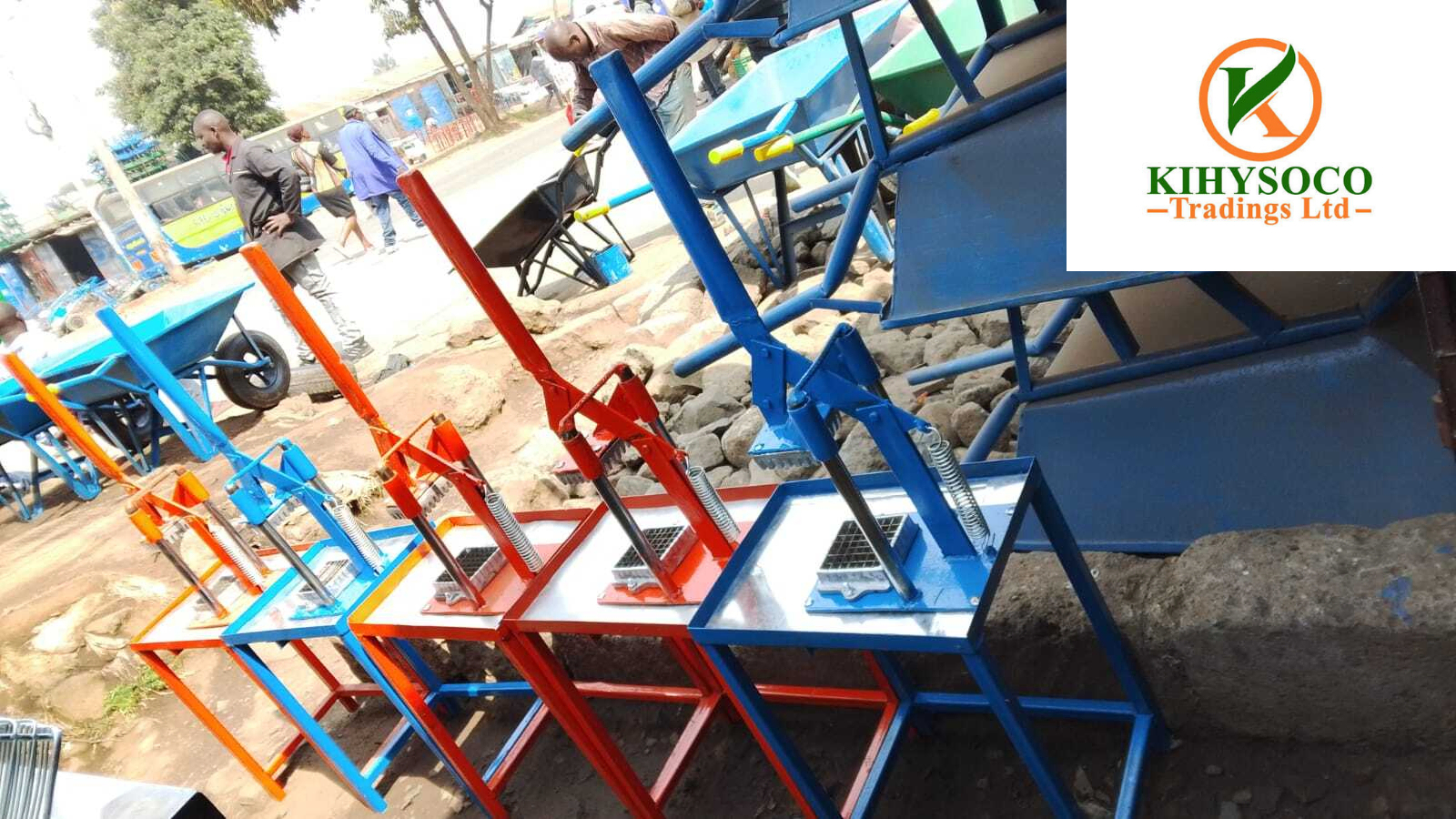
Chips Cutter Machine in Kenya – Buy Quality Potato Chips Cutters from Kihysoco Trading Ltd
Irrigation & Farm Machinery Guide: Choosing the Right Equipment for Your Farm in Kenya (2026)
Kenya’s agricultural fortunes have always been tied closely to rainfall — and with increasingly unpredictable weather patterns, more farmers across the country are turning to irrigation and mechanization to protect their yields and extend their growing seasons. From smallholder kitchen gardens in Kiambu to large-scale horticultural farms in Naivasha, Nakuru, and Machakos, the right combination of irrigation systems and farm machinery can mean the difference between a struggling harvest and a thriving, year-round farming operation.
Yet choosing the right irrigation and farm equipment isn’t always straightforward. Farm sizes vary, water sources differ, crops have unique needs, and budgets range widely — from a small drip kit for a quarter-acre plot to a full sprinkler system for a commercial flower farm.
This 2026 guide from Kihysoco walks Kenyan farmers through everything they need to know before investing in irrigation systems and farm machinery — helping you make decisions that boost productivity, save water, and protect your long-term profitability.
Why Irrigation and Mechanization Matter More Than Ever in Kenya
Kenya’s agriculture sector remains heavily rain-dependent, with a large majority of farmland relying on rainfall rather than irrigation. This leaves many farmers vulnerable to the effects of erratic rainfall, prolonged dry spells, and shifting climate patterns.
Investing in irrigation and appropriate farm machinery offers several critical advantages:
- Reduced dependency on rainfall, allowing for multiple planting cycles per year
- Improved yield consistency, since crops receive water and inputs at the right time
- Water efficiency, particularly with modern systems like drip irrigation that minimize wastage
- Labor savings, as machinery reduces the time and physical effort required for irrigation, tillage, and harvesting
- Access to higher-value markets, since consistent quality and supply—often required by supermarkets and exporters—depend on reliable irrigation
For Kenyan farmers looking to move from subsistence to commercial farming, or simply to protect an existing operation from climate risk, irrigation and mechanization are no longer optional extras — they are essential tools for resilience and growth.
Understanding Your Farm’s Irrigation Needs
Before purchasing any irrigation equipment, it’s important to assess a few key factors specific to your farm.
1. Water Source and Availability
Your irrigation system choice depends heavily on whether your water source is a borehole, river, dam, rainwater harvesting tank, or municipal supply. Water availability and pressure will determine whether you need a pump, and what type.
2. Farm Size and Layout
A quarter-acre kitchen garden has very different irrigation needs from a 10-acre horticultural farm. Larger farms typically benefit from more automated, zoned systems, while smaller plots can often be served efficiently with simple drip kits.
3. Crop Type
Different crops have different water requirements and tolerances. Vegetables like tomatoes and capsicum often do well with drip irrigation, while some cereal crops may be better suited to sprinkler or furrow systems.
4. Soil Type
Sandy soils drain quickly and may require more frequent, shorter irrigation cycles, while clay soils retain water longer and need less frequent watering — both factors that influence system design and scheduling.
5. Topography
Sloped or uneven land may require pressure-compensating drip systems or terraced furrow irrigation to ensure even water distribution across the field.
6. Budget and Long-Term Costs
Beyond the initial system cost, consider ongoing expenses such as electricity or fuel for pumps, maintenance, and eventual replacement of components like drip lines or filters.
Types of Irrigation Systems for Kenyan Farms
1. Drip Irrigation
Drip irrigation delivers water directly to the root zone through a network of tubes and emitters, making it one of the most water-efficient systems available.
Best suited for:
- Vegetable farms (tomatoes, capsicum, onions, kale)
- Greenhouse production
- Orchards and fruit farms
- Farmers dealing with water scarcity or high water costs
Key benefits: Minimizes water wastage, reduces weed growth by limiting water to the root zone, and allows for precise fertigation (applying fertilizer through the irrigation system).
2. Sprinkler Irrigation
Sprinkler systems distribute water through the air in a pattern similar to natural rainfall, making them versatile for a wide range of crops.
Best suited for:
- Cereal crops such as maize and wheat
- Pasture and fodder crops for livestock farms
- Nurseries and seedling production
Key benefits: Covers large areas efficiently, works well on slightly uneven terrain, and can double as a frost protection method in cooler highland areas.
3. Furrow (Surface) Irrigation
This traditional method involves channeling water through furrows between crop rows, relying on gravity to distribute water across the field.
Best suited for:
- Row crops like maize, sugarcane, and some vegetables
- Farmers with access to gravity-fed water sources and relatively flat land
Key benefits: Lower upfront equipment cost, though generally less water-efficient than drip or sprinkler systems.
4. Center Pivot and Mechanized Systems
Used primarily on large commercial farms, center pivot systems automatically rotate around a central point, irrigating large circular areas with minimal labor input.
Best suited for: Large-scale commercial grain, potato, or fodder production where labor efficiency and scale justify the higher investment.
Essential Irrigation Equipment and Components
Water Pumps
The heart of most irrigation systems, pumps move water from the source to the field. Common types used in Kenya include:
- Petrol/diesel-powered pumps — ideal for farms without reliable electricity access
- Electric pumps — cost-effective for farms connected to the grid
- Solar-powered pumps — increasingly popular for their low running costs and suitability for off-grid farms, especially in areas with strong, consistent sunlight
Pipes and Fittings
Durable, UV-resistant piping is essential to withstand Kenya’s strong sun exposure and prevent frequent replacements.
Filters
Filtration systems prevent debris and sediment from clogging drip emitters or sprinkler nozzles, particularly important for farmers drawing water from rivers, dams, or unlined boreholes.
Emitters, Drippers, and Sprinkler Heads
The specific flow rate and spacing of emitters or sprinkler heads should be matched to your crop’s water requirements and planting layout.
Fertigation Equipment
Venturi injectors or dosing pumps allow farmers to apply water-soluble fertilizers directly through the irrigation system, improving nutrient uptake efficiency and saving labor.
Timers and Controllers
Automated timers help farmers schedule irrigation cycles precisely, reducing water waste and freeing up labor for other farm tasks.
Farm Machinery Every Kenyan Farmer Should Consider
Beyond irrigation, mechanization plays a growing role in improving efficiency across land preparation, planting, and harvesting.
1. Tractors and Attachments
Tractors remain central to medium and large-scale farm mechanization in Kenya, supporting:
- Ploughing and harrowing for land preparation
- Planting with attached planters for more uniform seed spacing
- Transport of harvested produce and farm inputs
For smaller farms, two-wheel tractors (power tillers) offer a more affordable mechanization option than full four-wheel tractors.
2. Power Tillers and Cultivators
Ideal for smallholder farmers, power tillers help prepare land faster than manual labor while remaining more affordable and easier to maintain than full-sized tractors.
3. Knapsack and Motorized Sprayers
For pest and disease control, motorized sprayers cover more ground faster than manual knapsack sprayers, particularly valuable for medium to large vegetable and cereal farms.
4. Harvesting Equipment
Depending on the crop, mechanized harvesting tools — from maize shellers to reaper-binders — can significantly reduce post-harvest labor and losses.
5. Chaff Cutters and Fodder Choppers
For livestock and dairy farmers, chaff cutters improve feed efficiency by processing fodder into smaller, more digestible pieces, reducing wastage and improving feed conversion.
6. Generators and Power Backup
Given occasional power interruptions, a reliable generator can keep irrigation pumps, milking machines, and other essential farm equipment running without costly downtime.
Manual vs. Mechanized Farming: Making the Right Choice
| Factor | Manual Methods | Mechanized Equipment |
|---|---|---|
| Upfront cost | Lower | Higher |
| Labor requirement | High | Reduced |
| Speed of operations | Slower | Significantly faster |
| Consistency | Variable | More uniform results |
| Best suited for | Very small plots, limited budgets | Medium to large farms, commercial operations |
| Long-term cost efficiency | Can be higher due to labor and time | Often more cost-effective at scale |
For many smallholder farmers, a hybrid approach works best — combining manual labor for smaller tasks with targeted mechanization (such as a power tiller or motorized sprayer) for the most labor-intensive activities.
Key Factors to Consider Before Buying Irrigation or Farm Machinery in Kenya
1. Match Equipment to Farm Size and Crop
Avoid the common mistake of over-investing in equipment sized for a much larger operation than you currently run — or under-investing in equipment that can’t keep pace with your farm’s growth.
2. Consider Water Source Reliability
If your water source has seasonal fluctuations, plan for storage solutions like water tanks or pans to ensure consistent irrigation supply even during drier months.
3. Evaluate Energy Options
Solar-powered pumps can offer significant long-term savings for farms without reliable grid electricity, despite a higher upfront cost compared to petrol or diesel pumps.
4. Prioritize Durability
Kenya’s varied terrain and climate conditions demand equipment built to withstand dust, heat, and heavy use without frequent breakdowns.
5. Check Spare Parts and Service Availability
Equipment requiring imported spare parts can lead to long, costly downtime. Choose machinery and irrigation components with reliable local support.
6. Factor in Training and Ease of Use
Especially for mechanized equipment, ensure farm workers receive proper training to operate machinery safely and effectively, minimizing damage and accidents.
Irrigation and Machinery Recommendations by Farm Type
Smallholder Kitchen Gardens (Under 1 Acre)
A simple drip irrigation kit connected to a water tank, paired with basic hand tools, is often sufficient — offering an affordable entry point into more reliable, water-efficient farming.
Small to Medium Vegetable Farms (1–5 Acres)
Drip irrigation systems paired with a petrol, electric, or solar pump provide efficient water use, while a power tiller can significantly speed up land preparation between planting cycles.
Greenhouse Farming
Greenhouse operations benefit most from precision drip irrigation with fertigation capability, allowing for controlled, consistent nutrient and water delivery in a contained environment.
Medium to Large Cereal and Grain Farms
Sprinkler irrigation combined with tractors for land preparation, planting, and harvesting supports the scale and efficiency needed for cereal production such as maize and wheat.
Commercial Horticulture and Flower Farms
Larger operations often require a combination of drip irrigation with automated controllers, fertigation systems, and mechanized spraying equipment to meet both yield and export-quality standards.
Livestock and Dairy Farms
Beyond irrigation for fodder production, chaff cutters, milking machines, and reliable water pumping systems for livestock are essential investments.
How Kihysoco Supports Kenyan Farmers with Irrigation and Machinery Needs
Kihysoco supplies a comprehensive range of irrigation equipment and farm machinery designed to meet the needs of farmers across Kenya — from smallholder kitchen gardens to large commercial operations.
What Sets Kihysoco Apart
 Solutions Matched to Your Farm Kihysoco’s team takes the time to understand your farm size, water source, and crop type before recommending irrigation systems or machinery — helping you avoid costly over- or under-investment.
Quality, Durable Equipment From drip irrigation kits and pumps to power tillers and sprayers, Kihysoco stocks equipment built to withstand Kenya’s diverse farming conditions.
Support for Every Farm Size Whether you’re irrigating a quarter-acre kitchen garden or mechanizing a multi-acre commercial farm, Kihysoco offers solutions across the full spectrum of scale.
Guidance Beyond the Sale Kihysoco’s team provides practical advice on system design, water source planning, and equipment maintenance — helping farmers get the most value from their investment over time.
Nationwide Reach While serving Nairobi and its surrounding counties closely, Kihysoco supports farmers across Kenya’s diverse agro-ecological zones.
Maintenance Tips to Maximize the Lifespan of Your Irrigation and Farm Equipment
- Flush drip lines and filters regularly to prevent clogging from sediment or algae buildup.
- Inspect pumps periodically for wear, unusual noise, or reduced output, addressing issues before they escalate.
- Store machinery properly during off-seasons, protecting it from dust, moisture, and pests.
- Service tractors and tillers on schedule, including oil changes and filter replacements, to avoid costly breakdowns.
- Train all operators on correct equipment use to reduce accidental damage and extend machinery lifespan.
- Keep spare parts on hand for common wear items like drip emitters, sprinkler nozzles, and pump seals.
Frequently Asked Questions (FAQs)
1. What is the best irrigation system for a small farm in Kenya? For most small farms under an acre, drip irrigation is often the most water-efficient and affordable option, especially for vegetable production.
2. How much does an irrigation system cost in Kenya? Costs vary significantly based on farm size, water source, and system type — from relatively affordable basic drip kits to larger investments for sprinkler or center pivot systems. Consulting a supplier like Kihysoco can help determine an accurate cost based on your specific farm.
3. Is solar-powered irrigation a good option for Kenyan farmers? Yes, solar-powered pumps can be an excellent long-term investment, especially for farms without reliable grid electricity, offering lower running costs despite a higher initial purchase price.
4. Do I need a tractor for a small farm? Not necessarily. Many smallholder farmers find power tillers or two-wheel tractors more practical and affordable for land preparation on smaller plots.
5. Can Kihysoco help design an irrigation system for my farm? Yes, Kihysoco’s team can assess your farm’s water source, size, and crop type to recommend an appropriately designed irrigation system.
6. What crops benefit most from drip irrigation in Kenya? Vegetables such as tomatoes, capsicum, onions, and kale, along with greenhouse crops and fruit orchards, tend to benefit significantly from the precision and water efficiency of drip irrigation.
Final Thoughts: Investing in the Right Irrigation and Farm Machinery
As Kenya’s climate patterns grow increasingly unpredictable, irrigation and appropriate mechanization have become essential tools for farmers seeking consistent yields, efficient resource use, and long-term profitability. The right equipment — matched carefully to your farm size, water source, crop type, and budget — can transform a rain-dependent operation into a resilient, productive farming business.
Whether you’re setting up your first drip irrigation kit for a kitchen garden or planning a full mechanization strategy for a commercial farm, Kihysoco offers tailored guidance and quality equipment to help you farm smarter, not just harder.
Ready to upgrade your farm’s irrigation and machinery setup for the 2026 season? Get in touch with Kihysoco today to discuss the right irrigation systems and farm equipment for your land.
Disclaimer: Always consult with agricultural extension officers or qualified technicians for equipment specifications and installation guidance specific to your farm’s conditions.