

-9%
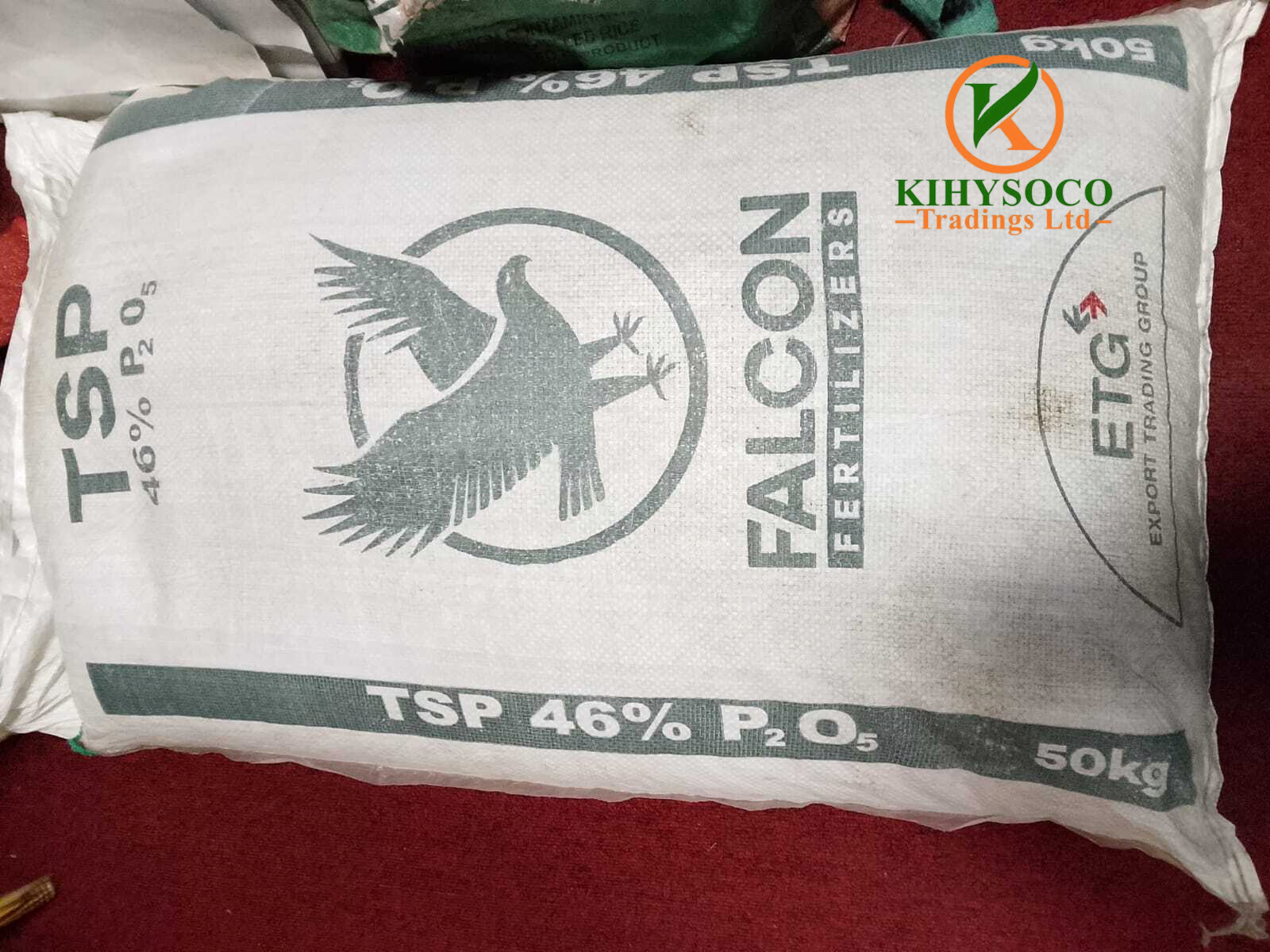
Triple Super Phosphate (TSP) Fertilizer
Original price was: KSh7,500.00.KSh6,800.00Current price is: KSh6,800.00.
Triple Super Phosphate (TSP) Fertilizer in Kenya: A Complete Guide for Higher Agricultural Productivity
Introduction: Why Phosphorus Fertilizers Matter in Modern Farming
Phosphorus is one of the most essential macronutrients required for healthy plant growth. It plays a critical role in root development, energy transfer, flowering, and fruit formation. In many Kenyan soils—especially highly cultivated regions—phosphorus deficiency is a major limiting factor to crop productivity.
Triple Super Phosphate (TSP) fertilizer is one of the most concentrated and effective phosphorus fertilizers used by farmers to correct this deficiency and improve crop yields. It is widely used in both small-scale and commercial farming systems across Kenya.
What is Triple Super Phosphate (TSP)?
Triple Super Phosphate (TSP) is a highly concentrated phosphorus fertilizer typically containing about 44–46% phosphorus (P₂O₅). It is produced by treating phosphate rock with phosphoric acid, resulting in a highly soluble and plant-available phosphorus source.
Unlike compound fertilizers, TSP contains little to no nitrogen or potassium, making it a targeted phosphorus booster for soils that specifically lack this nutrient.
Key Benefits of TSP Fertilizer
1. Strong Root Development
TSP supports early and vigorous root formation, allowing plants to absorb water and nutrients more efficiently.
2. Improved Crop Establishment
Crops treated with phosphorus at planting stage establish faster and grow more uniformly.
3. Higher Yield Potential
Adequate phosphorus increases flowering, fruiting, and seed development, resulting in improved yields.
4. Better Nutrient Efficiency
TSP enhances the plant’s ability to utilize other nutrients such as nitrogen and potassium.
5. Suitable for a Wide Range of Crops
It is effective for both food and cash crops grown in Kenya.
Common Crops That Benefit from TSP Fertilizer
Triple Super Phosphate is widely used in:
- Maize farming
- Wheat production
- Rice cultivation
- Beans and legumes
- Potatoes
- Vegetables (tomatoes, onions, cabbages)
- Coffee plantations
- Sugarcane farming
- Fruit farming (avocado, citrus, mangoes)
How and When to Apply TSP Fertilizer
TSP is best applied at planting because phosphorus is not very mobile in soil.
Application Methods:
- Band placement near seeds during planting
- Mixing with soil in planting holes
- Basal application before transplanting seedlings
Best Practices:
- Avoid direct contact with seeds to prevent damage
- Apply during planting stage for maximum efficiency
- Combine with nitrogen and potassium fertilizers for balanced nutrition
Why Kenyan Farmers Prefer TSP Fertilizer
Farmers across Kenya choose TSP because:
- It provides high phosphorus concentration
- It improves early crop performance
- It supports better root anchoring in dry conditions
- It enhances drought resistance in young plants
- It increases overall farm productivity
Soil Conditions in Kenya and the Need for TSP
Many agricultural regions in Kenya have soils that are naturally low in available phosphorus due to:
- Continuous cropping without replenishment
- Soil erosion
- Acidic soil conditions
- Organic matter depletion
TSP helps restore soil fertility balance and improves long-term productivity.
Storage and Handling of TSP Fertilizer
To maintain quality:
- Store in a dry, cool place
- Keep away from moisture and direct sunlight
- Seal properly after opening
- Avoid contamination with other chemicals
Environmental Considerations
Proper use of TSP minimizes nutrient wastage and supports sustainable agriculture when applied according to soil recommendations. Over-application should be avoided to prevent nutrient imbalance.
Conclusion
Triple Super Phosphate (TSP) fertilizer is a powerful agricultural input that plays a crucial role in improving root development, crop establishment, and overall yields. For farmers in Kenya seeking higher productivity and healthier crops, TSP remains a reliable and effective phosphorus source.
With proper application and balanced fertilization practices, farmers can significantly improve soil fertility and long-term farm output.
Customers reviews
Related products

-12%

-16%

-20%

-18%

-99%

-19%

-7%
-73%

Sold out
There are no reviews yet.